“Imperfect Action Is Better Than Perfect Inaction”
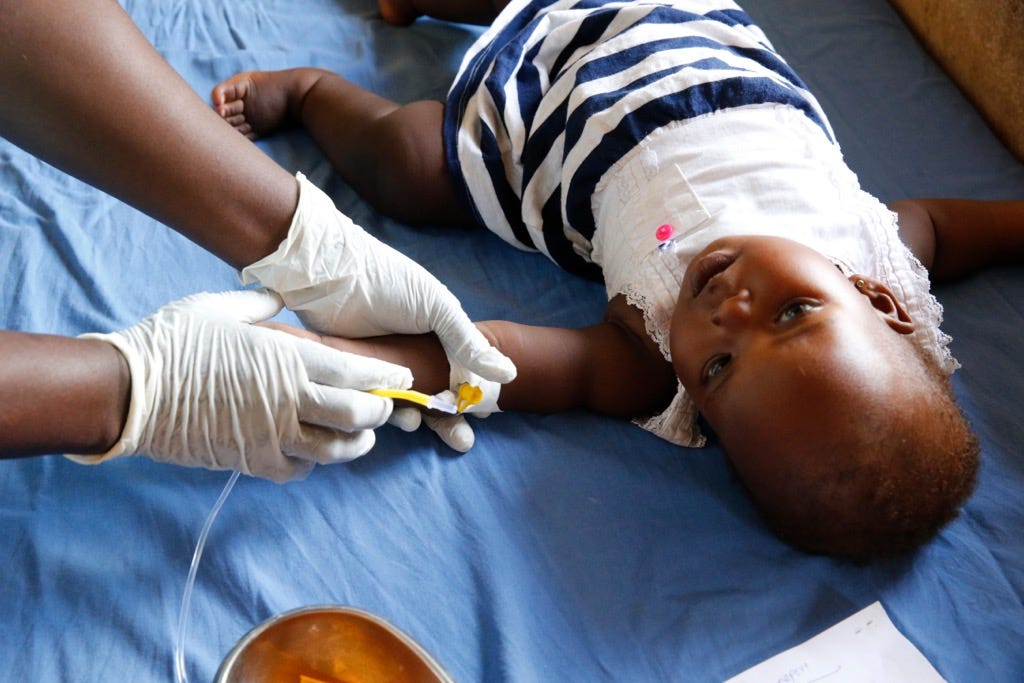
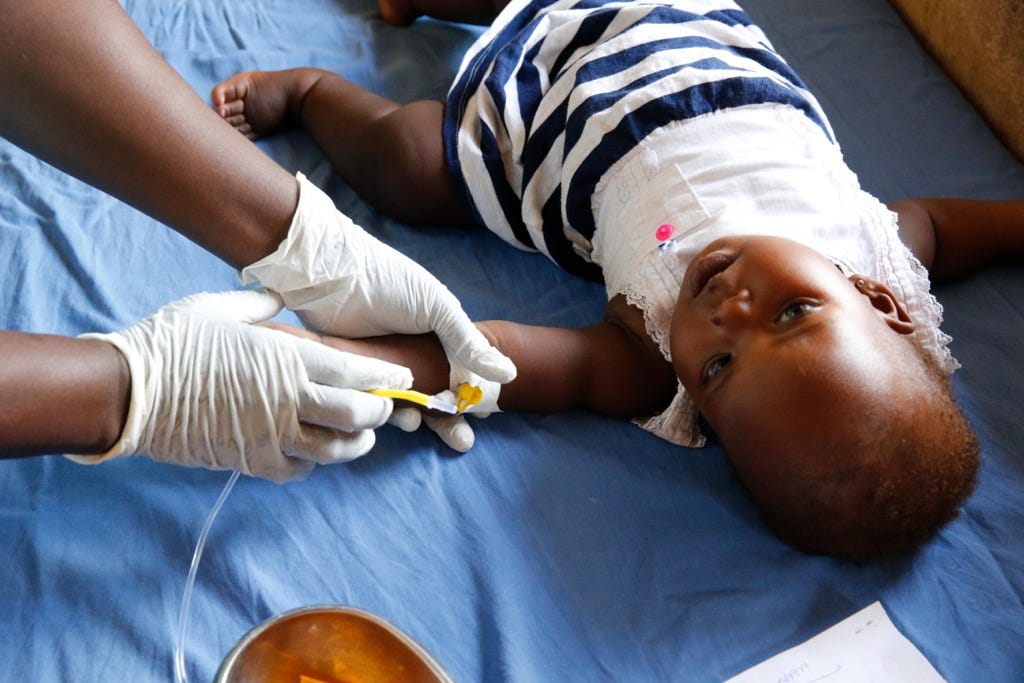
These famous words by Harry S. Truman are especially true in the fight against malaria. Every two minutes, malaria steals the life of another child. This deadly disease remains a threat to nearly half the world’s population, despite being preventable and treatable. Yet, we often hesitate, waiting for perfect solutions while imperfect actions could save lives today. In the fight against malaria, doing something now beats doing nothing. It’s time to act with urgency and boldness to end this age-old killer.
The Scale of a Preventable Crisis
Malaria is not a marginal issue — it’s a global health emergency happening in real-time. In 2022 alone, there were approximately 249 million cases of malaria and 608,000 deaths worldwide. Most victims are children under five in sub-Saharan Africa, where the disease perpetuates a cycle of poverty and suffering. This translates to a daily toll of over 1,000 young lives lost — nearly one child every minute to a disease we know how to stop.
Each malaria death is needless — a failure of our global community to translate knowledge into action. Health experts emphasise that malaria’s continued toll is unacceptable: “We know how to prevent and treat malaria. Since we can do it, we must,” as one UNICEF director put it. Every moment we wait for an ideal solution, more children die from a disease we already have the power to combat.
Progress Through Imperfect Tools
The good news is that we get results when we act imperfectly. Over the past two decades, global efforts have averted an estimated 12.7 million malaria deaths and 2.2 billion cases. Crucially, these gains were driven by tools that are far from perfect but highly effective when widely deployed.
Take the humble insecticide-treated mosquito net. Although not foolproof, bed nets have proven to be a game-changer. Over 2 billion mosquito nets have been distributed in Africa and have been credited with preventing about 68% of malaria cases since 2000. These efforts helped halve malaria death rates, with child deaths falling by more than 50%.
Each incremental action — a village sprayed, a clinic stocked with medicine, a child sleeping under a net — added to one of history’s greatest public health success stories. Millions of lives were saved by available tools, proving that waiting for perfect solutions would have cost lives.
The Cost of Inaction
Despite progress, malaria’s grip has tightened recently as global efforts stalled. After 2015, malaria cases plateaued and began rising in some regions. Stagnant funding and disruptions from the COVID-19 pandemic led to increased cases and deaths. By 2023, malaria was still killing roughly 597,000 people annually.
Economically, malaria imposes crippling burdens, trapping families in poverty and draining national budgets. Malaria causes an estimated US$12 billion in lost productivity annually. Conversely, investing in malaria control yields huge economic returns. Experts estimate eradicating malaria could unlock $2 trillion in economic benefits by 2040.
No Time to Wait for Perfection
Malaria is an ancient foe, but new threats mean we cannot afford to wait for a perfect solution. Climate change is expanding malaria’s reach, altering rainfall patterns, and creating warmer, mosquito-friendly environments. Drug resistance and insecticide resistance are emerging threats, making immediate action critical.
Breakthroughs like the world’s first malaria vaccines have arrived, although they offer imperfect protection. Early evidence shows introducing vaccines alongside other interventions significantly reduces child illness and death. African countries have begun rapidly deploying these vaccines, reaching millions of children. Gavi forecasts that immunising 50 million children by 2030 could save at least 170,000 lives.
The lesson is simple: we must use every tool available, even if none is perfect. Waiting for perfection is a luxury we don’t have when lives are at stake.
Be Bold, End Malaria
The charge is clear: We must rally global support to fight malaria urgently and creatively. We must communicate the successes of imperfect actions and the dangers of inaction. Malaria deaths have been halved before, and millions have been saved through collective effort — we can and must do it again.
Ending malaria requires sustained investment and innovative strategies, not perfection. By acting now with the tools, we can save countless lives and set the stage for eradication. Every bed net hung, vaccine dose administered, and dollar invested moves us closer to a malaria-free world.
The choice before us is courage versus caution. Imperfect action taken now surpasses perfect inaction tomorrow. It’s time to back words with deeds, mobilise political will, and deploy every effective tool available. Let’s choose action over apathy today — the end of malaria starts now.
Why We Must Act Now to End Malaria was originally published in BeingWell on Medium, where people are continuing the conversation by highlighting and responding to this story.
