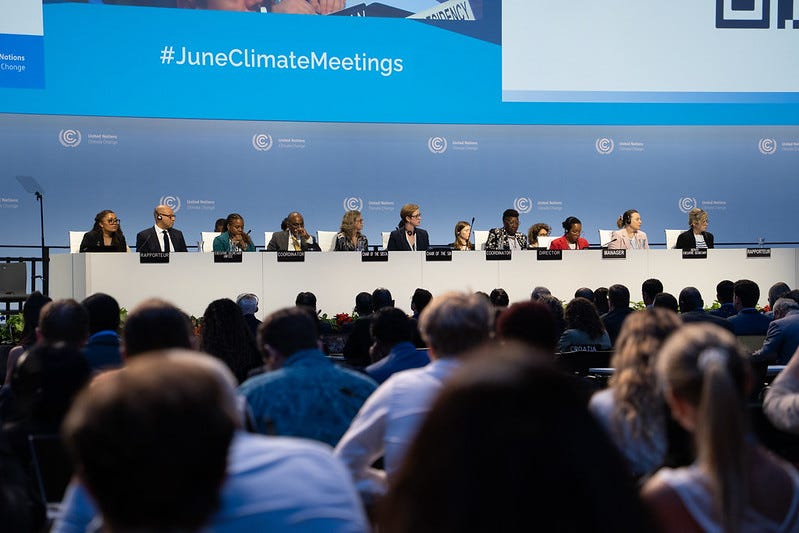
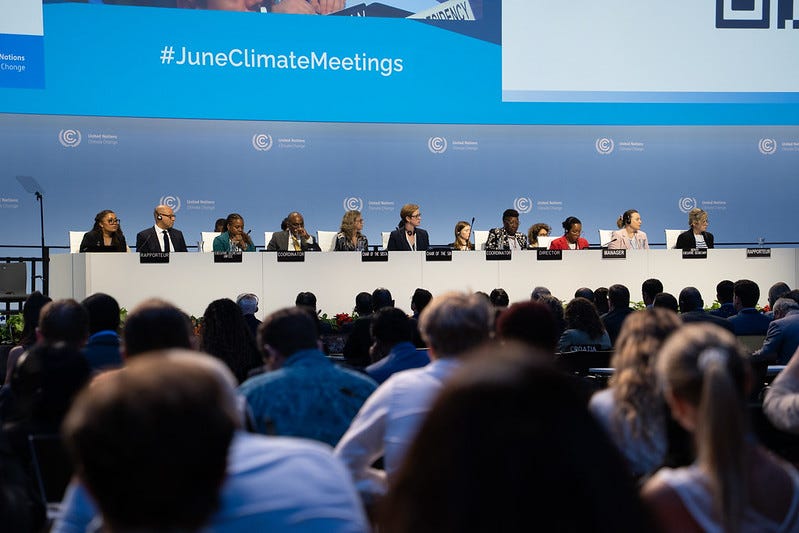
Global climate talks have once again hit a familiar snag: money. The mid-2025 negotiations in Bonn, Germany, at SB62— a critical waypoint en route to COP30 in Brazil — immediately stumbled over the contentious issue of climate finance. Developed and developing countries clashed over who should provide the trillions of dollars needed for climate mitigation and adaptation.
Why Climate Finance Matters Now
The world faces escalating climate impacts, from record heatwaves and catastrophic floods to mounting economic losses estimated at over $400 billion annually. Vulnerable countries, particularly small island states, are bearing the brunt. When Hurricane Maria hit Dominica, damages exceeded two years of its GDP, illustrating the devastating link between climate disasters and debt distress.
Health implications are dire, too. The WHO projects an additional 250,000 deaths annually from climate-driven diseases by 2030, disproportionately affecting poorer nations.
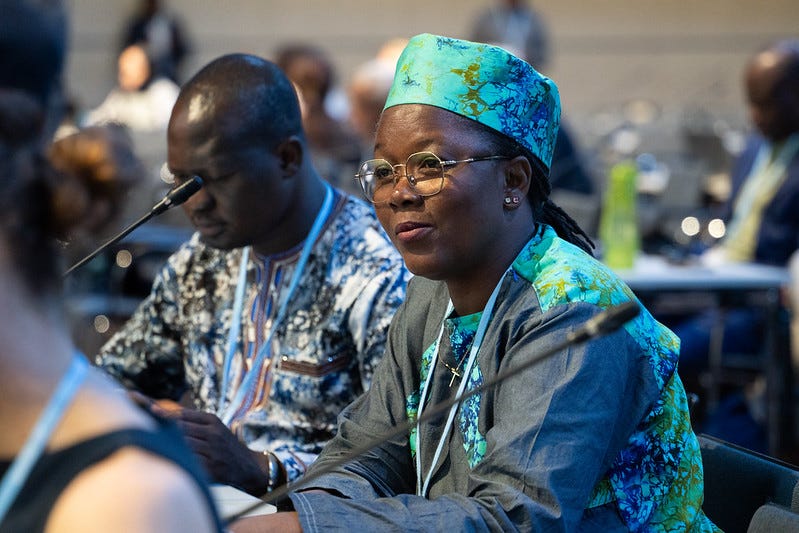
Trust has eroded significantly over unmet financial promises. Developed nations failed to deliver on their famous pledge of $100 billion annually by 2020, creating deep mistrust.
The Sticking Points in Bonn
Negotiations in Bonn stalled initially over agenda disputes. Developing countries, led by the G77 and China, insisted on addressing developed countries’ obligations under Article 9.1 of the Paris Agreement. Wealthy nations resisted this, delaying substantive discussions.
A central contention is the “new collective quantified goal” for climate finance beyond 2025. Developing nations propose amounts exceeding $1 trillion annually in total funding, including substantial grants. Developed countries, cautious about committing excessively, prefer a lower baseline.
Who should pay remains controversial. Developed countries want major emerging economies, particularly China, to contribute. China firmly resists this, maintaining its developing country status and rejecting attempts to shift responsibility.
There is further disagreement about the nature of finance. Many developed nations include loans and private investments, while developing countries insist primarily on grants to avoid exacerbating debt burdens.
Implications for COP30
Without resolution, the stalemate in Bonn threatens to overshadow COP30 in Belém. Brazil’s COP presidency emphasises the urgency of resolving finance issues beforehand, warning unresolved tensions could undermine broader climate cooperation.
Past experience, like COP29’s challenges in Baku, Azerbaijan, illustrates how financial disagreements impede overall progress. Resolving finance issues is essential for ambitious climate commitments, adaptation initiatives, and effective responses to climate loss and damage.
What’s at Stake
At stake is global climate justice. If unresolved, vulnerable populations in low-income nations face intensified hardship, increased health crises, and mounting debts. The UN Loss and Damage Fund, designed to support these countries, currently remains underfunded, highlighting the urgency of meeting financial promises.
Looking Forward: Breaking the Impasse
The months ahead, including major forums like the G7 and G20 meetings, offer potential breakthroughs. Initiatives like the Bridgetown Initiative propose innovative finance mechanisms combining public and private funds to meet climate challenges.
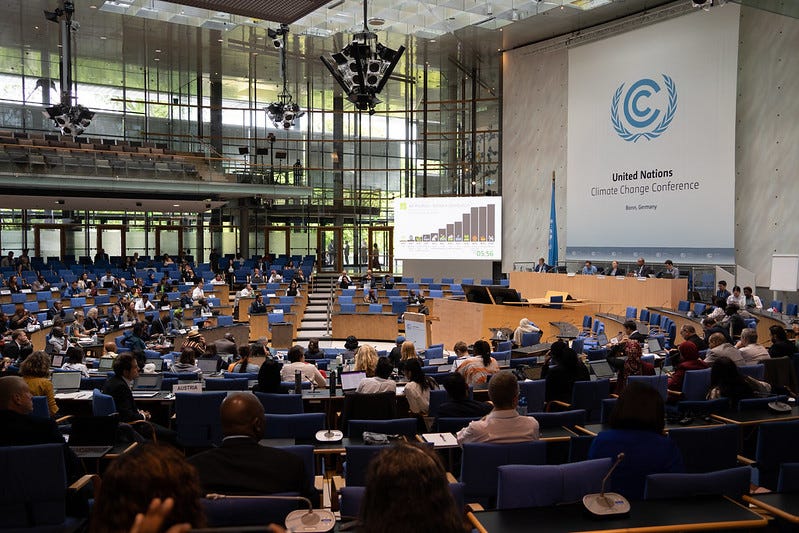
Policymakers and communicators must emphasise climate finance’s humanitarian, economic, and geopolitical benefits. Effective communication can reinforce that climate finance is not charity but an essential investment in global stability.
COP30 presents an opportunity to reset trust and cooperation through a realistic yet ambitious finance agreement. A credible path forward may involve clear financial pledges combined with creative financing solutions.
As the climate crisis intensifies, breaking the finance deadlock remains a critical task. COP30 has the potential to be a pivotal moment in climate action, provided negotiators prioritise funding resolutions urgently needed to support the world’s most vulnerable.
Finance Feud in Bonn: Why a Stalled Climate Funding Deal Threatens COP30 was originally published in Purpose and Social Impact on Medium, where people are continuing the conversation by highlighting and responding to this story.
