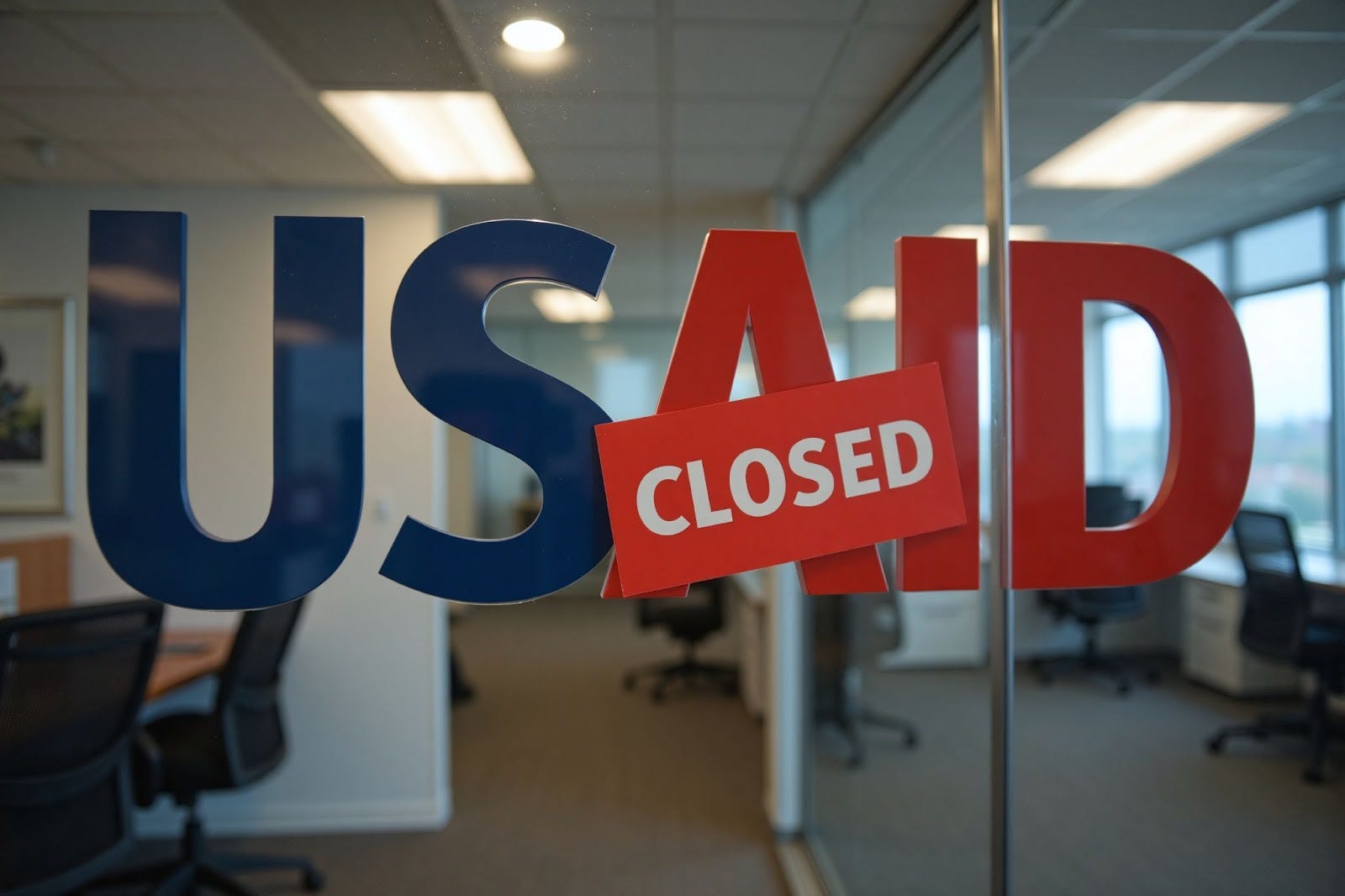
The United States Agency for International Development (USAID) finds itself precarious. Recent actions by the Trump administration, including a near-total freeze on foreign aid and the closure of USAID headquarters, have thrown the agency’s future into uncertainty. While USAID has faced criticism for its effectiveness and alignment with US interests over the years, its potential dissolution raises concerns about the impact on humanitarian efforts and US soft power abroad. In this context, soft power refers to a country’s ability to influence others through attraction and persuasion rather than coercion. This article delves into the recent events surrounding USAID, examines the criticisms against it, explores potential avenues for improvement, and proposes a framework for a caretaker organisation to ensure a responsible transition and the continuation of vital aid programs.
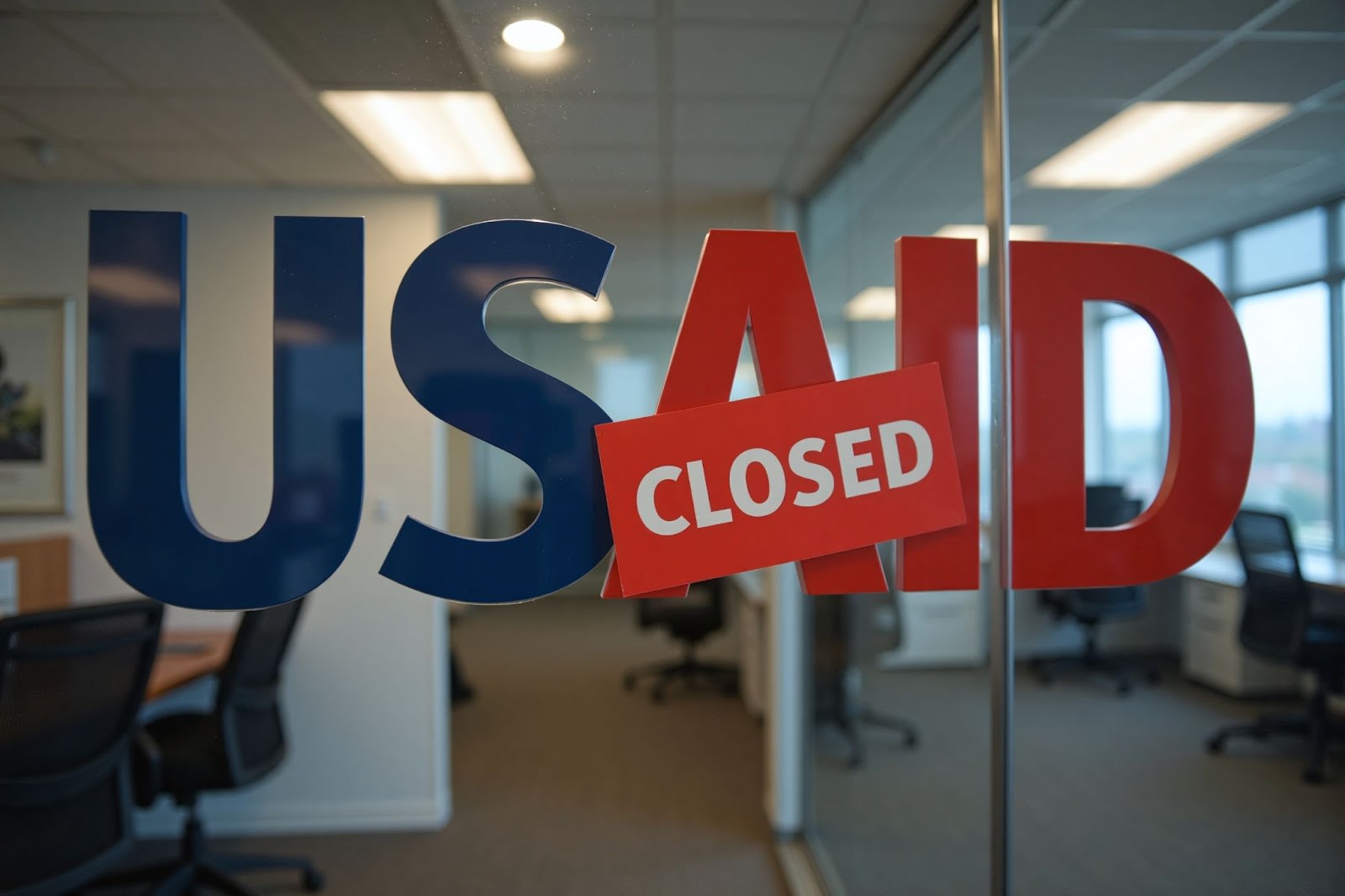
Photo Credit: Adobe Stock—The United States Agency for International Development (USAID) closed, with offices empty, after jobs and the workforce were put on leave following a DOGE directive to cut costs and government spending.
USAID in the News: A Tumultuous Start to 2025
The year 2025 began with a series of dramatic events for USAID. On January 20th, President Trump signed an executive order initiating a 90-day review of all foreign aid programs. This was followed by a near-total freeze on foreign aid spending, with limited exceptions for emergency food aid. This freeze impacts the $68 billion the US spent on foreign aid in 2023, with $40 billion budgeted for USAID. On February 3rd, Secretary of State Marco Rubio announced that he would serve as the Acting Administrator of USAID, and USAID staff were directed not to report to the agency’s Washington, DC headquarters. The USAID website was removed, and hundreds of staff were let go. By February 7th, all USAID direct hire personnel were placed on administrative leave globally, except for designated personnel responsible for mission-critical functions, core leadership, and specially designated programs.

Photo Credit: Alamy–Mountains of vegetable oil donated by the USA lie in a World Food Program warehouse in Gonaives, Haiti
These actions have had immediate consequences. According to a USAID Office of Inspector General report, the uncertainty surrounding the agency’s future and the sudden loss of access to USAID email and IT systems put more than $489 million of food assistance at ports, in transit, and in warehouses at risk of spoilage, unanticipated storage needs, and diversion. Nearly all of USAID’s more than ten thousand-strong staff worldwide will reportedly be let go, with only a few hundred remaining. These actions have sent shockwaves through the international development community. Critics argue that the foreign aid freeze undermines US leadership abroad and puts vulnerable communities and countries at risk. Lawmakers have demanded an end to the freeze, and a lawsuit has been filed challenging the legality of the administration’s actions.
Criticisms and Perceived Flaws of USAID
While the recent actions against USAID appear abrupt, the agency has faced criticism for years. These concerns fall into several broad categories:
Financial Management and Accountability: The White House has publicly criticised USAID for “waste and abuse” of taxpayer money, citing examples such as $1.5 million to “advance diversity, equity, and inclusion in Serbia’s workplaces and business communities”; $70,000 for the production of a “DEI musical” in Ireland; $47,000 for a “transgender opera” in Colombia; and $2 million for sex changes and “LGBT activism” in Guatemala. These examples reflect a broader concern that USAID funds programs that do not align with conservative values and priorities. Furthermore, concerns about the lack of transparency and accountability in USAID’s operations have been raised. The agency has been criticised for providing hundreds of thousands of dollars to a non-profit linked to designated terrorist organisations. While an inspector general launched an investigation into this matter, it is unclear from the available information whether the funding was ultimately stopped.
Effectiveness and Strategic Alignment: Beyond financial concerns, some argue that USAID’s programs are ineffective in achieving their intended goals and that the agency’s priorities are misaligned with US national interests. Critics point to the agency’s alleged funding of research relating to the coronavirus at the Wuhan Institute of Virology as an example of misaligned priorities. This criticism reflects a scepticism about the value of global health initiatives and a belief that USAID should focus more narrowly on programs that directly benefit the US.
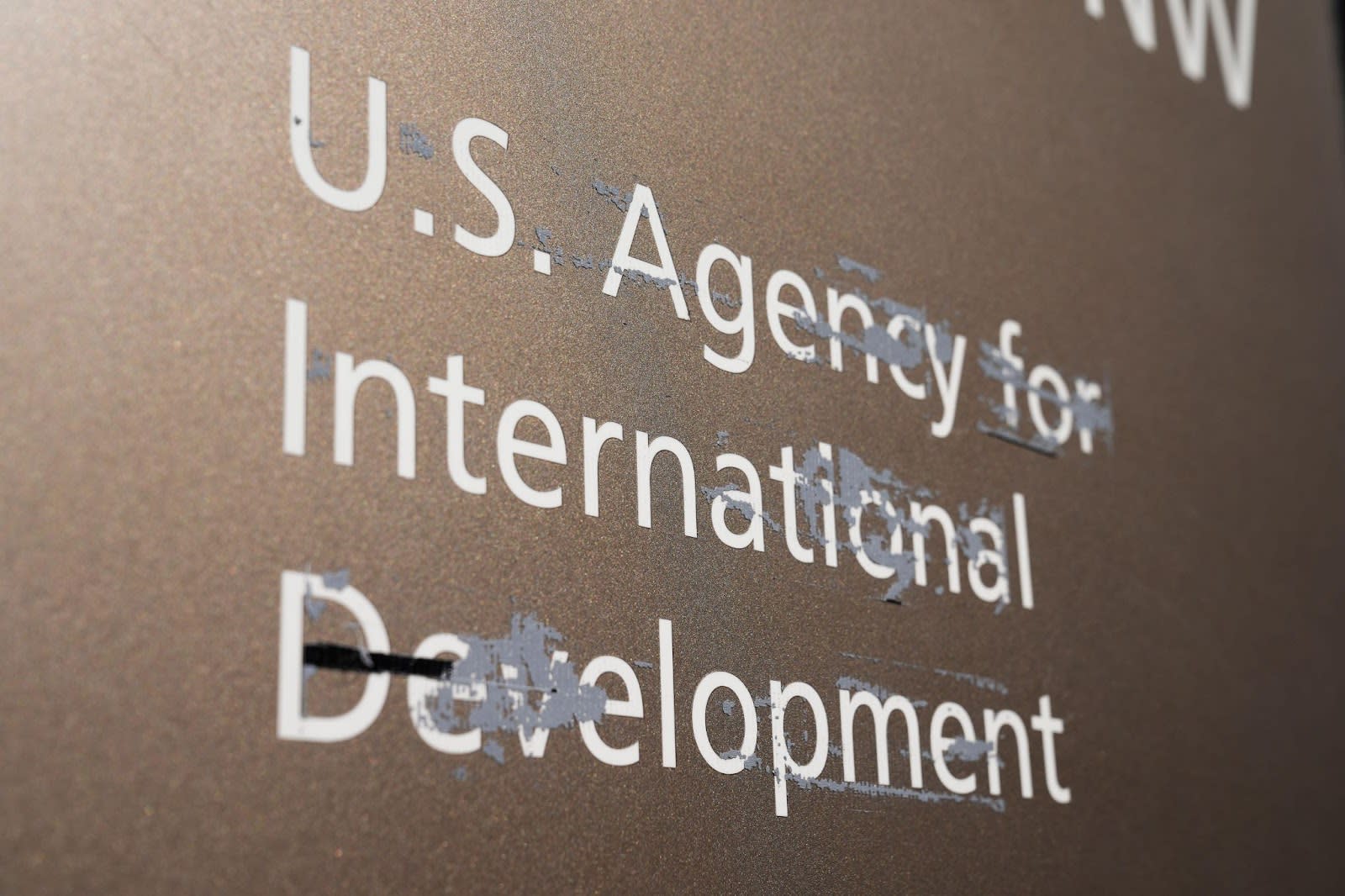
Photo Credit: Alamy–Washington, USA. 10th Feb 2025. Damaged signage at the US Agency for International Development (USAID) headquarters in Washington, DC, Monday, February 10, 2025. A federal judge said he would pause the Trump administration’s plans to place 2,200 US Agency for International Development workers on leave, an attorney for the workers said Friday. (Photo by Oliver Contreras/Sipa USA) Credit: Sipa USA/Alamy Live News
Operational Challenges: USAID also faces operational challenges that hinder its effectiveness. The agency has been criticised for its bureaucratic structure and inefficient use of resources. A 2023 report by the Government Accountability Office (GAO) found that USAID’s Global Health Bureau had not aligned staffing with its mission and priorities and that most of its workforce were contractors who could not oversee contracts and grants work. This over-reliance on contractors creates challenges with retention and safety, as contractors often face a lengthy hiring process, exclusion from certain benefits, and inconsistencies in security protocols. Furthermore, USAID faces difficulties working in critical priority countries and disaster areas due to security concerns, weaknesses in governance, and corruption. These challenges impede project implementation and monitoring, particularly in high-risk environments.
Lack of Local Ownership: Finally, there are concerns that USAID’s programs are not sufficiently locally led and that the agency does not adequately involve local communities in program design and implementation. This criticism reflects a belief that aid programs are more effective and sustainable when driven by local actors and tailored to local contexts.
Potential Improvements to USAID
Despite the criticisms, USAID plays a vital role in US foreign policy and humanitarian assistance. Rather than dismantling the agency, efforts should address its shortcomings and improve its effectiveness. Some potential areas for improvement include:
Enhancing Program Effectiveness
Enhanced Monitoring and Evaluation: Strengthening monitoring and evaluation mechanisms to ensure that programs achieve their intended goals and that funds are used effectively. This includes developing better performance indicators, conducting more rigorous evaluations, and using data to inform program design and implementation. USAID can utilise cash benchmarking and complexity-aware monitoring tools to improve its evaluation processes.
Increased Local Ownership: Prioritise locally led development approaches and ensure more significant local input in program design and implementation. Partner with local organisations, provide capacity-building support and promote local leadership to achieve this.
Learning from Experience: Documenting lessons learned from the COVID-19 pandemic to improve USAID’s response to future global health emergencies. This includes analysing the successes and failures of USAID’s pandemic response and developing standardised processes for responding to future outbreaks.
Leveraging Partnerships: Expanding public-private partnerships to improve USAID’s programs. For example, the collaboration between USAID and the Global Food Safety Initiative (GFSI) to improve food safety and sustainable food systems in Africa demonstrates the potential of such collaborations.
Improving Operational Efficiency
Improved Staffing and Workforce Planning: Addressing staffing challenges by streamlining hiring processes, reducing reliance on contractors, and developing a comprehensive workforce plan that aligns with the agency’s mission and priorities.
Addressing Negative Behaviors and Promoting a Positive Workplace Culture: Institutionalising efforts to address negative behaviours, such as bullying, affect workplace culture. This includes promoting accountability for negative leadership behaviours and training on respectful and inclusive work environments.
Streamlining Bureaucracy and Improving Efficiency: Simplifying bureaucratic processes and improving operational efficiency could involve restructuring the agency, reducing administrative overhead, and leveraging technology to improve program management.
Increasing Transparency and Accountability
Enhancing Transparency and Accountability: Increasing transparency in funding decisions and program implementation to address concerns about waste and abuse. This includes making information about USAID programs more readily available to the public and strengthening oversight mechanisms.
The Case for a Caretaker Organisation
Given the current uncertainty surrounding USAID’s future, it is crucial to establish a caretaker organisation to ensure a responsible transition and the continuation of vital aid programs. This concept is not unprecedented.
Indeed, one example is the General Services Administration (GSA) during the transition between presidential administrations. The GSA is crucial in managing federal property and providing support services to government agencies. During a presidential transition, the GSA Administrator, a political appointee, typically resigns. However, career officials within the GSA continue to manage essential operations, ensuring a smooth transition for the incoming administration. This includes providing office space, logistical support, and other critical services to the new administration’s transition team. While not a separate entity, this internal mechanism within the GSA demonstrates how a caretaker function can be performed within an existing agency to maintain essential operations during the transition.
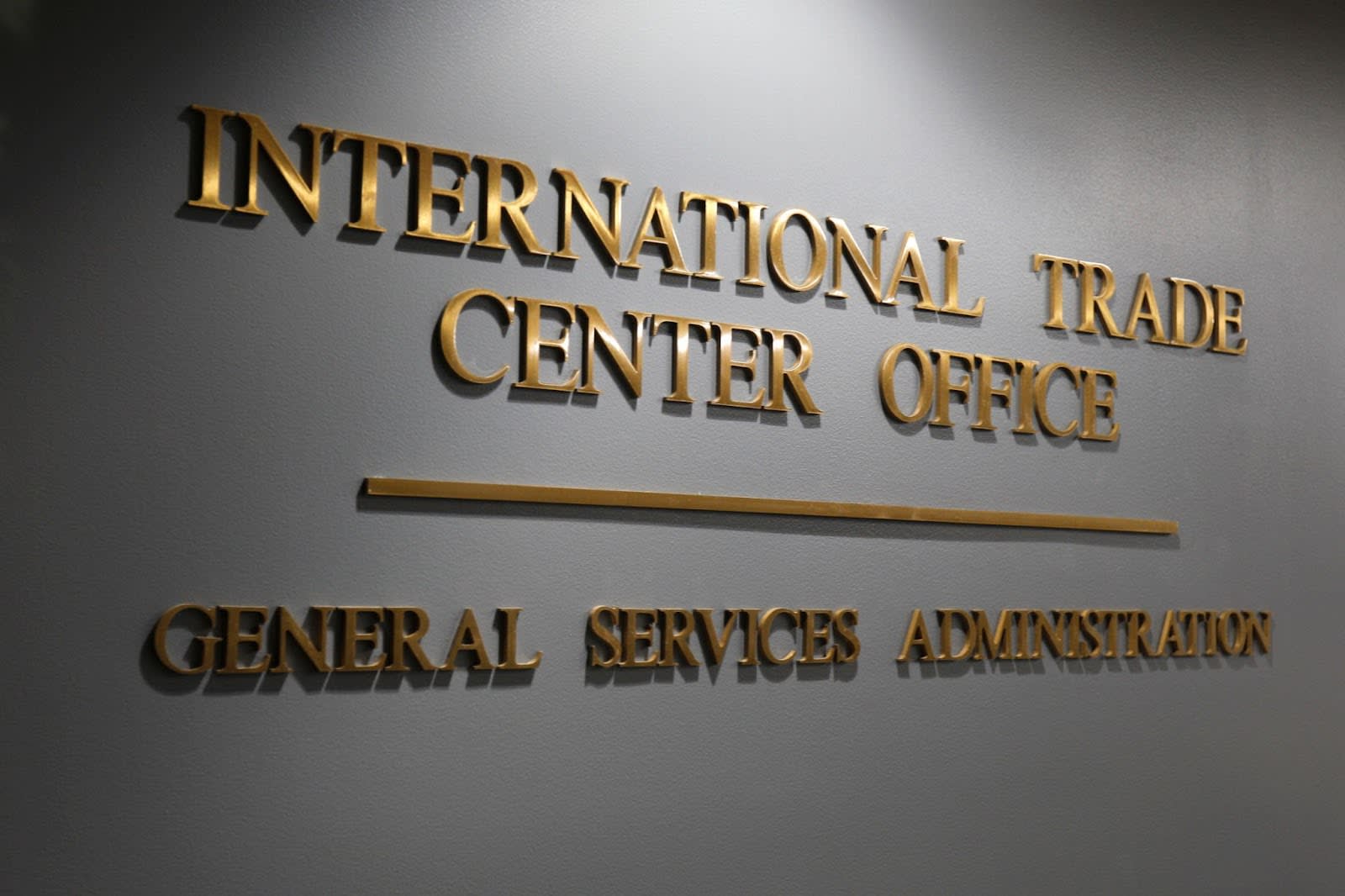
Washington, D.C, California, USA. 1st Feb, 2025. A sign is displayed outside the International Trade Center Office, part of the General Services Administration. (Credit Image: © Mark Alfred/ZUMA Press Wire)
The caretaker organisation for USAID would:
Maintain Essential Operations: Ensure the continued delivery of critical humanitarian assistance and development programs, particularly those addressing urgent needs such as health, food security, and disaster relief.
Safeguard Institutional Knowledge and Expertise: Preserve the valuable institutional knowledge and expertise within USAID, preventing its loss due to staff departures or program disruptions.
Facilitate a Smooth Transition: If necessary, manage the transfer of programs and resources to other agencies or organisations, minimising disruption and ensuring continuity of services.
Promote Reform and Restructuring: If USAID is to be reformed or restructured, the caretaker organisation will play a key role in facilitating this process, ensuring that changes are implemented effectively and in a manner that aligns with US interests and development goals.
Structure of the Caretaker Organisation
Several models could be considered for the structure of the caretaker organisation:
Independent Agency: The caretaker organisation could be established as an independent agency within the US government, with a clear mandate and defined responsibilities. This model would give the organisation autonomy and authority while ensuring accountability to Congress and the public.
Public-Private Partnership: A public-private partnership could leverage the expertise and resources of both the public and private sectors. This model could be particularly effective in mobilising resources and promoting innovation in aid delivery.
Consortium of NGOs: A consortium of non-governmental organisations (NGOs) could bring together a diverse range of expertise and experience in international development. This model could effectively ensure local ownership and community engagement in aid programs.
Potential Structure and Leadership of a Caretaker Organisation
Regardless of the specific structure chosen, the caretaker organisation would need to provide services similar to those offered by caretaker organisations in other contexts. These services could include:
Structure: The caretaker organisation would likely function as an interim body within USAID, similar to how career officials within the GSA manage essential operations during a presidential transition. This would involve identifying key personnel within USAID who possess the necessary experience and expertise to oversee critical functions during the restructuring period.
Leadership: A senior career official with extensive experience in USAID operations and programs would be appointed as the acting head of the caretaker organisation. This individual could be a Deputy Assistant Administrator or a Mission Director with a proven leadership and management track record.
Focus on Essential Operations: The caretaker organisation would prioritise maintaining essential humanitarian assistance and development programs, ensuring the continued flow of aid to vulnerable populations and countries. This would include overseeing existing grants and contracts, managing logistics, and ensuring compliance with relevant regulations.
Knowledge Management: A key function of the caretaker organisation is safeguarding institutional knowledge and expertise within USAID. This would involve documenting best practices, preserving program data, and facilitating knowledge transfer to ensure continuity during and after the restructuring process.
Transition Facilitation: The caretaker organisation would play a crucial role in facilitating a smooth transition, whether USAID is ultimately reformed, restructured, or merged with another agency. This would involve coordinating with relevant stakeholders, managing the transfer of programs and resources, and ensuring minimal disruption to ongoing aid efforts.
Advisory Role: The caretaker organisation could also provide an advisory role to those leading the restructuring effort, offering insights and recommendations based on their deep understanding of USAID’s operations and challenges. This would ensure that any reforms are implemented effectively and in a manner that aligns with US interests and development goals.

Photo Credit: Krakenimages.com @ Adobe Stock
The leadership of the caretaker organisation should comprise individuals with extensive experience in international development, humanitarian assistance, and public administration. Potential candidates or organisations to lead the caretaker organisation include:
Experienced USAID Officials: Senior officials within USAID with a deep understanding of the agency’s operations and programs, such as the former Administrator or Deputy Administrator.
Experts from Other Development Agencies: Leaders from other US government agencies with expertise in international development and humanitarian assistance, such as the Millennium Challenge Corporation or the Department of State’s Bureau of Democracy, Human Rights, and Labor.
Leaders from the NGO Sector: Individuals from reputable non-governmental organisations with a strong track record in delivering aid and development programs, such as the heads of organisations like Mercy Corps, Save the Children, or CARE.
However, establishing and managing a caretaker organisation for USAID would not be without its challenges. Securing funding for the organisation’s operations, navigating potential political obstacles, and maintaining staff morale during uncertainty requires careful planning and strong leadership.
Conclusion
USAID stands at a crossroads. While the agency has faced legitimate criticisms regarding financial management, effectiveness, operational challenges, and local ownership, its potential dissolution raises serious concerns about the impact on humanitarian efforts and US soft power abroad. Rather than dismantling the agency, efforts should address its shortcomings and improve its effectiveness through enhanced monitoring and evaluation, increased local ownership, improved staffing and workforce planning, and greater transparency and accountability.
In the meantime, a caretaker organisation is essential to ensure a responsible transition and the continuation of vital aid programs. This organisation would maintain essential operations, safeguard institutional knowledge, facilitate a smooth transition, and promote reform and restructuring. By learning from past experiences, such as the COVID-19 pandemic, and leveraging partnerships, USAID can emerge stronger and more effective in achieving its mission during this period of uncertainty.
The future of USAID has significant implications for US foreign policy goals. If the agency is dissolved or significantly downsized, it could diminish US influence in the developing world, weaken relationships with partner countries, and create a vacuum that could be filled by other global actors, potentially undermining US interests. Therefore, a careful and deliberate approach to reform and transition is crucial to ensure that USAID can continue to play a vital role in advancing US foreign policy and promoting a more stable and prosperous world.
