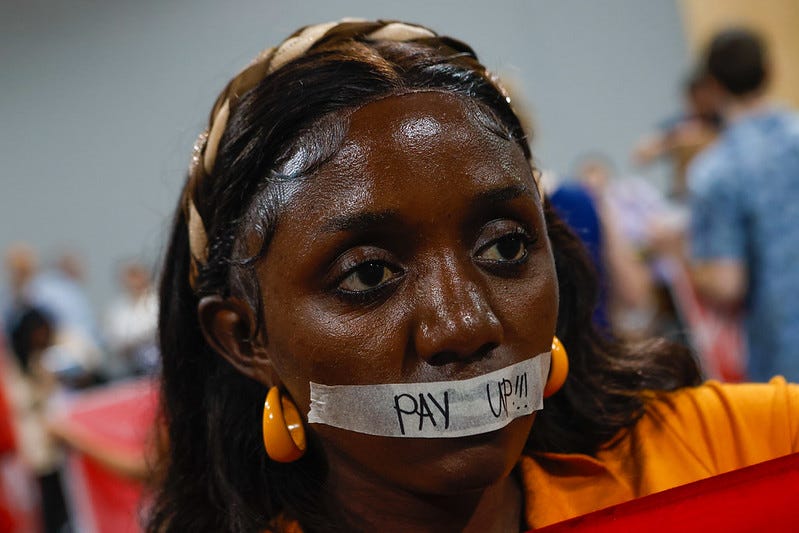
Day Four in Belém, and everyone has settled into their stride. The early-week daze has given way to sharper focus: people are walking faster, talking faster, scheduling faster. “We’re warmed up. Now it’s business,” one delegate said while power-marching between pavilions. Half the COP is gone, and the urgency is unmistakable.
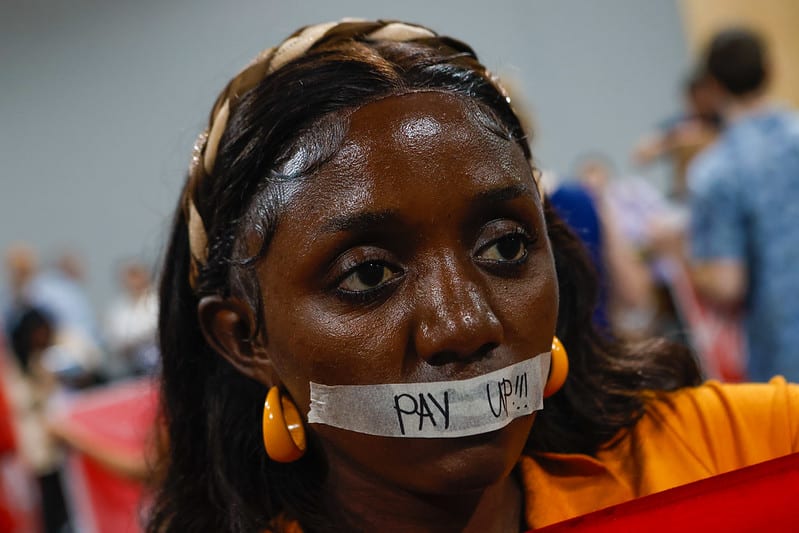
Photo Credit: UNFCCC @ COP30 in Belém, Brazil
Between sessions, the longest queue is usually at the ice cream stand. The unofficial oasis of COP30. Ministers, activists, and students bond over melting açaí and ice cream cones while trading updates on negotiations. It’s a sweet pause before diving back into the sprint of meetings. As one observer put it, “If COP30 ran on gelato, we’d hit net zero early.”
Today’s agenda — People’s Day — brought a human lens to the negotiations. Brazil launched a major plan to climate-proof health systems (the Belém Health Action Plan), while UNESCO and education ministers shared stories of “greening” schools and preparing young people for a warmer world. Judges from around the globe unveiled the Belém Declaration of Judges on Climate Change, signalling a push to bring climate justice into courtrooms. Meanwhile, Brazil doubled down on fighting climate misinformation through new partnerships with civil society — a quietly significant move in an era where disinformation derails climate action faster than rising temperatures.
Inside the venue, the air-conditioning saga continues. Some rooms are frigid, others humid, and no one is expecting a Goldilocks moment. Delegates shuffle layers on and off like climate-themed choreography. “We’re negotiating global warming in one room and cooling in the next,” someone joked.
Hallway buzz today centred on the race for COP31. With Australia and Turkey still battling it out, the UN’s floor planners didn’t help matters by putting their pavilions side by side. It’s a diplomatic sitcom: flat whites and kangaroo pins on one side; Turkish coffee and delight on the other. Delegates walk past with smirks. “It’s the friendliest turf war we’ve ever seen,” said one negotiator.
Outside the official talks, Belém delivered its trademark grassroots energy. A 200-boat flotilla protest swept along the Guajará Bay at dawn, led by Indigenous and riverine communities demanding climate justice. In the Blue Zone, Peruvian activist Olivia Bissa shook the room with a stark warning: “If we keep extracting hydrocarbons, we will exterminate ourselves.” It was one of those moments when the noise of COP falls silent.
By late afternoon, notebooks were fuller, tempers calmer, and the sense of shared purpose stronger. Delegates know the summit is halfway through — the two “eels,” as one nearby Brazilian journalist jokingly called these two brief weeks, slipping away fast. But there’s also a steadiness now, a feeling that Belém has moved past the warm-up phase and into the real work.
If COP30 is about “Delivering on the Paris Promise,” then Day Four felt like the moment the delivery truck finally pulled up. Whether it leaves fully loaded is the test of the days ahead.
Plenty more to share as the week unfolds.
