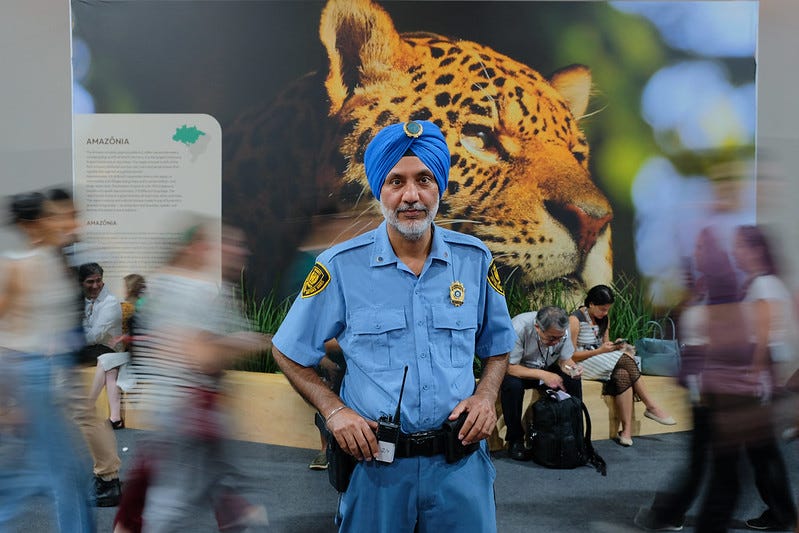
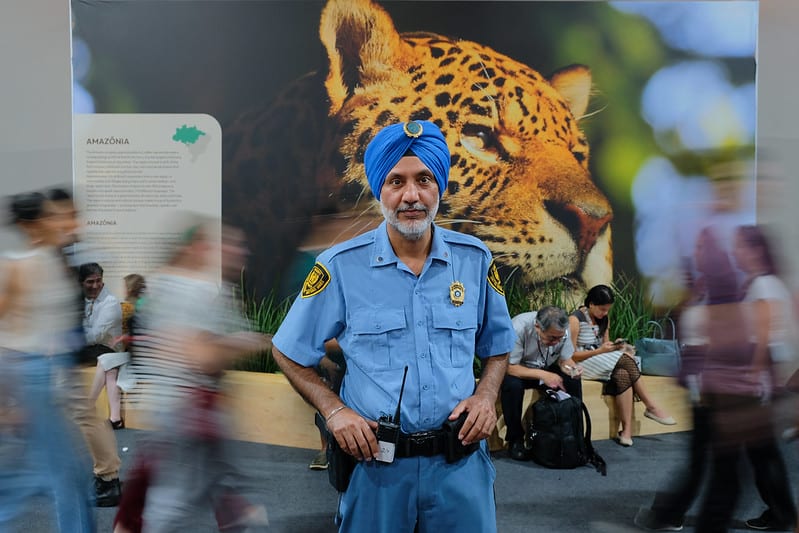
Day nine in Belém saw two COP30s unfolding at once. In one, President Lula returned to the Blue Zone to thunderous applause and promises of protection for the Amazon. In the other, protesters outside chanted “Don’t Gas the South” while armed security formed nervous lines.
Inside the venue, the high-level segment officially began, with UN Secretary-General António Guterres and Lula using the spotlight to push for greater ambition. Guterres called out the fossil lobby – again – while Lula struck a note of green nationalism, promising to lead by example in rainforest protection. Yet just metres away, Indigenous leaders confronted him directly, demanding urgent land demarcation. One word echoed throughout the pavilion: credibility.
As negotiations around the phase-out of fossil fuels and climate finance creaked along, tension spilled into public forums. Delegates murmured about “blockers” behind closed doors. New draft texts were delayed. Small island states quietly warned that this COP could become another missed moment. Totally normal – for a summit where everything changes five minutes before it ends.
Meanwhile, civil society filled in the gaps. Protesters staged a theatrical funeral for fossil fuels, surfers distributed ocean manifestos in the corridors, and a Nepalese disability rights activist laid bare the exclusion still embedded in global climate policy. The summit’s mascot, a flaming-haired Amazonian forest spirit, smiled in selfies while youth delegates schemed future interventions over iced coffees.
Today wasn’t just about parallel tracks. It was about the clash between what’s said on stage, what’s whispered in negotiation rooms, and what’s demanded in the streets.
COP30 is running out of days. The question now? Who’s actually setting the pace?
Same time tomorrow?
